Project / 07
PartnerUp
Product / Entrepreneurship
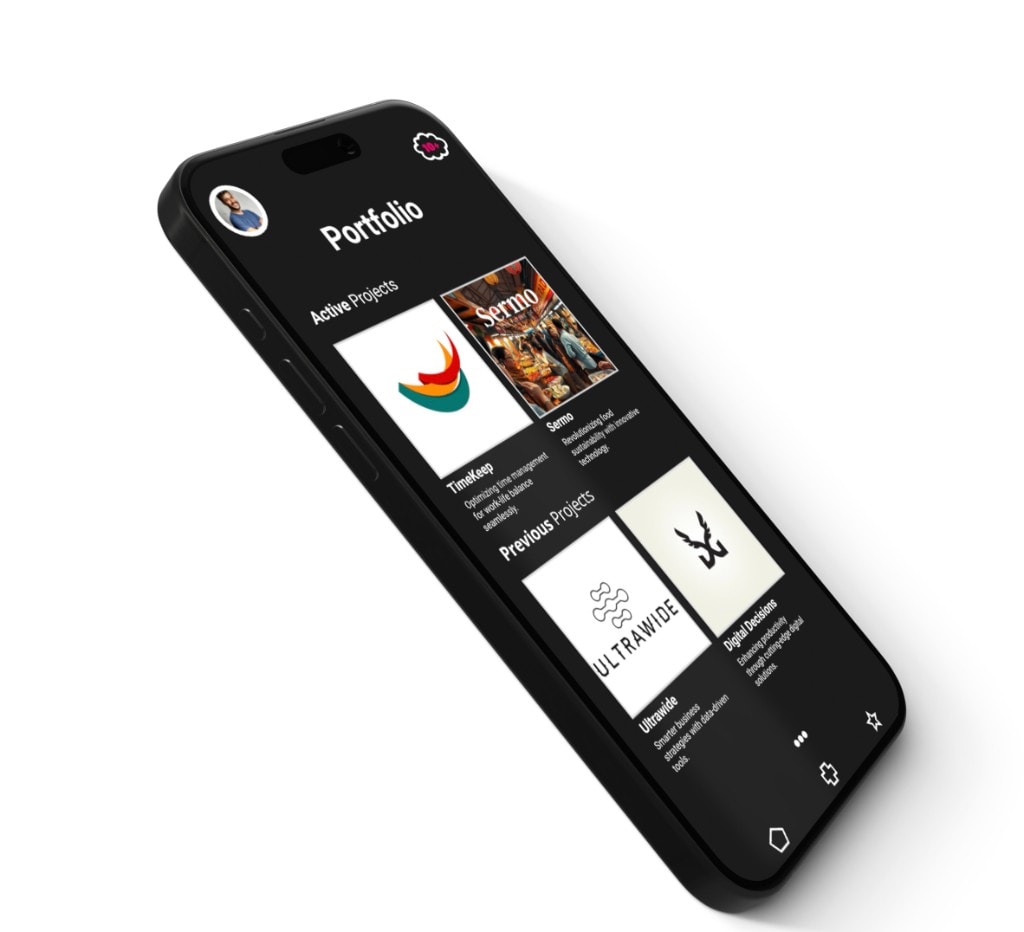
A social platform designed to help founders find the people their ideas are missing.
- Status
- Early-Stage Startup / Product Prototype
- Role
- Founder · Product Builder
- Focus
- Product Concept, UX, Positioning, Early Outreach
- Type
- Early product / prototype
Before Hive, I was already interested in a problem that showed up constantly in entrepreneurship: the right idea is often useless without the right people around it. PartnerUp was an early product prototype exploring that idea: ambition, assumptions, building, learning, and better product thinking later.
The problem / context
What I was solving
Business networking was built around jobs. I wanted to build it around partnerships. Traditional networks emphasize employment history and credentials. PartnerUp asked: what if a profile emphasized what you are building, what you need, what you can offer, and who you want to meet?
My role
How I worked
I started building PartnerUp as a platform for entrepreneurs, startups, investors, and freelancers. Early concepts explored profiles, matchmaking, messaging, and collaboration tools. Not everything was fully built. Unfinished features are labeled as product concepts.
Title
- Founder
- Product Builder
Process flow
How it moves
- 01Create profile
- 02What are you building?
- 03What do you need?
- 04What can you offer?
- 05Discover
- 06Match
- 07Message
- 08Collaborate
The process
Thinking, versions, evidence
- 01ORIGINAL DECK, 2025
Original pitch deck
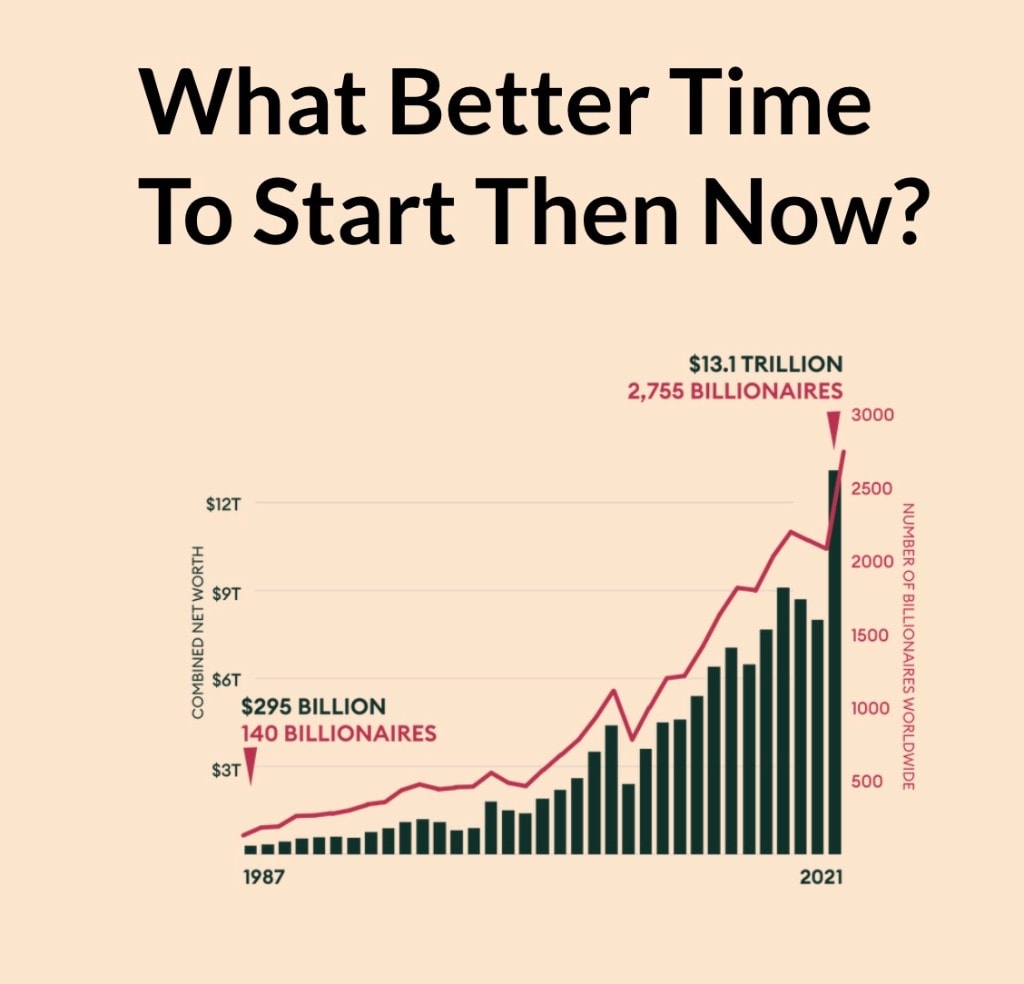
February 2025 presentation: The Problem, Market Opportunity, What Is PartnerUp?, UI Interface, Business Model, Future. Its age and roughness are part of the story, not remade into something perfectly modern.
- 02PRODUCT CONCEPT
Early business model exploration
Freemium concepts (~$10-$30/month), transaction-fee ideas, and B2B placement concepts. These were conceptual, not implemented revenue lines.
- 03REAL-WORLD TEST
Outreach
At 16, I started emailing entrepreneurs I admired and asking them to tell me what was wrong with it. Cropped outreach screenshots, without private details, belong here when available.
Original deck: 2025
Product concept
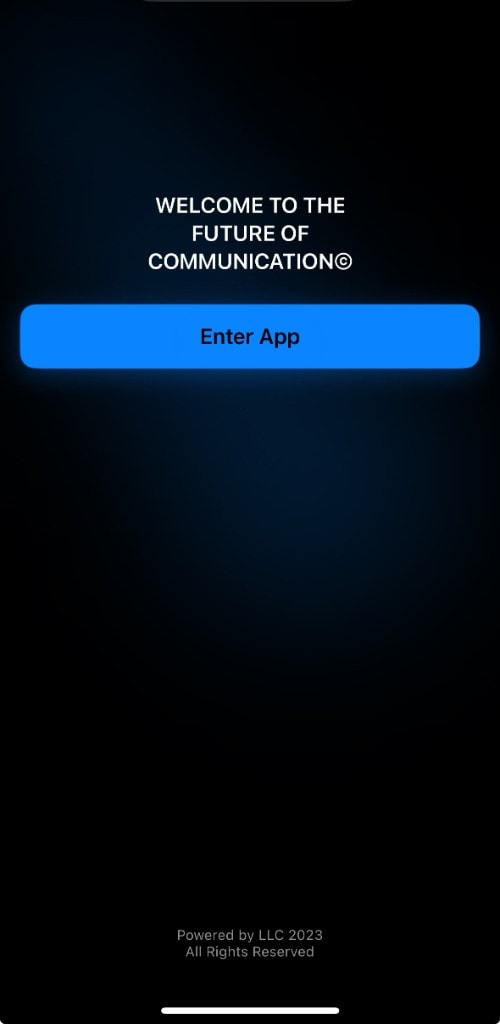
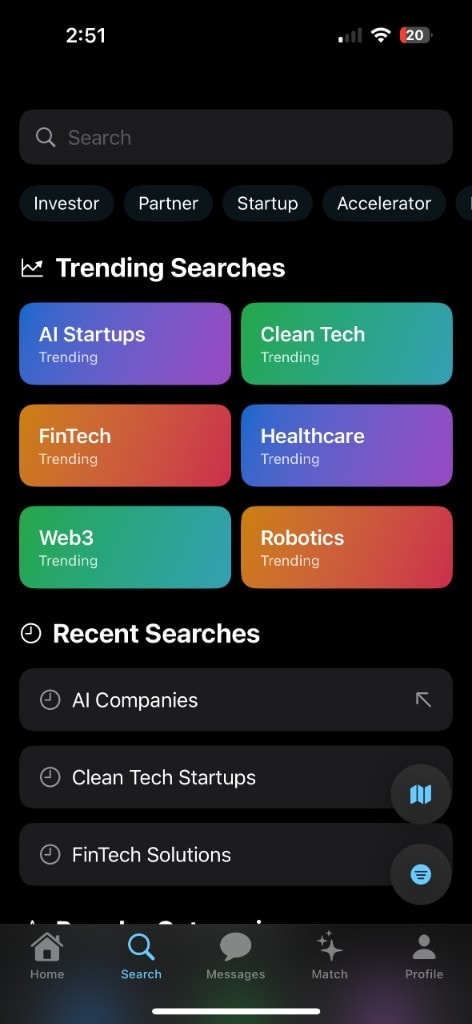
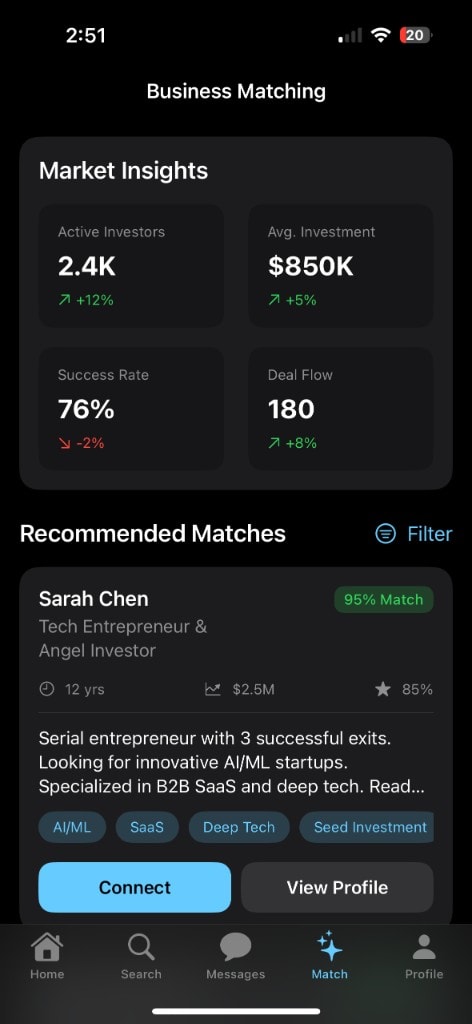
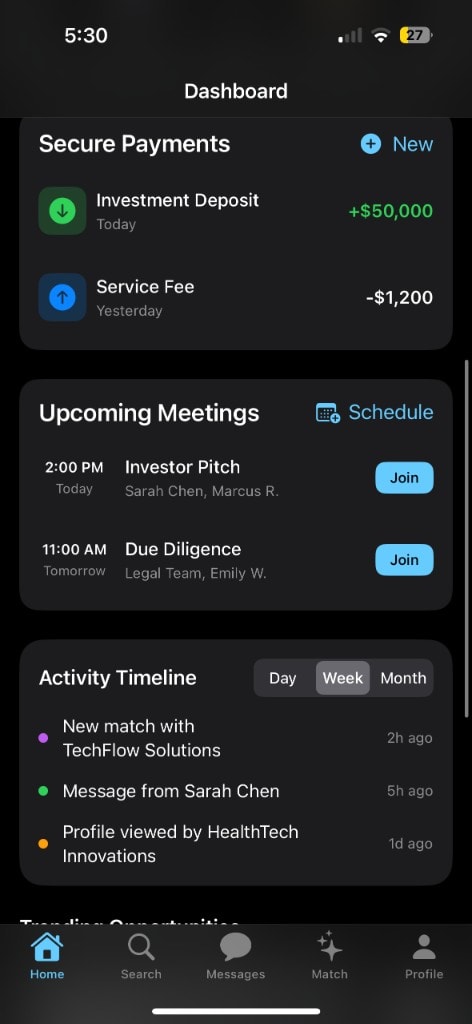
- Too broad: founders, investors, freelancers, businesses at once.
- Validate before projecting: ten people returning beats a TAM slide.
- Core loop: discover → match → talk. Everything else later.
If I built it again
What I would change
- 01WHAT I WOULD DO DIFFERENTLY
Start narrower
A stronger MVP would solve one relationship first (founder to co-founder, or startup to investor), not every network at once.
- 02WHAT I MISSED
Build the smallest valuable loop
The first concept wanted social networking, AI, payments, files, project management, and enterprise tools. The core value was discover → match → talk.
- 03WHAT CHANGED
Trust
Connecting strangers for business requires credibility, verification, intent, and reputation. This lesson connects directly to Hive.
- 04PRODUCT THINKING EVOLVED
PartnerUp → Hive
PartnerUp: broad platform, many users, many features, large vision. Hive: specific industry, clear transaction, specific users, real problem, trust-focused workflow. Not failure → success. Evolution.
Outcome
Where it landed
An early-stage prototype and pitch exploration, not a giant startup success. Its value is in showing how my product thinking evolved toward Hive: specific industry, clear transaction, specific users, real problem, trust-focused workflow.
Reflection
“PartnerUp was one of the first times I tried to turn a broad frustration into software. I wanted it to solve almost everything at once: networking, collaboration, payments, matching, and messaging. Looking back, that was the biggest lesson. The strongest products I have worked on since began with a much narrower question.”