Project / 01
Hive
Product Design / Technology
A real-estate marketplace connecting property investors with vetted contractors.
- Status
- Real Startup / Launched Product
- Role
- Co-Founder · CTO
- Focus
- Product Strategy, UX/UI, Web Development, Marketplace Design
- Type
- Real business
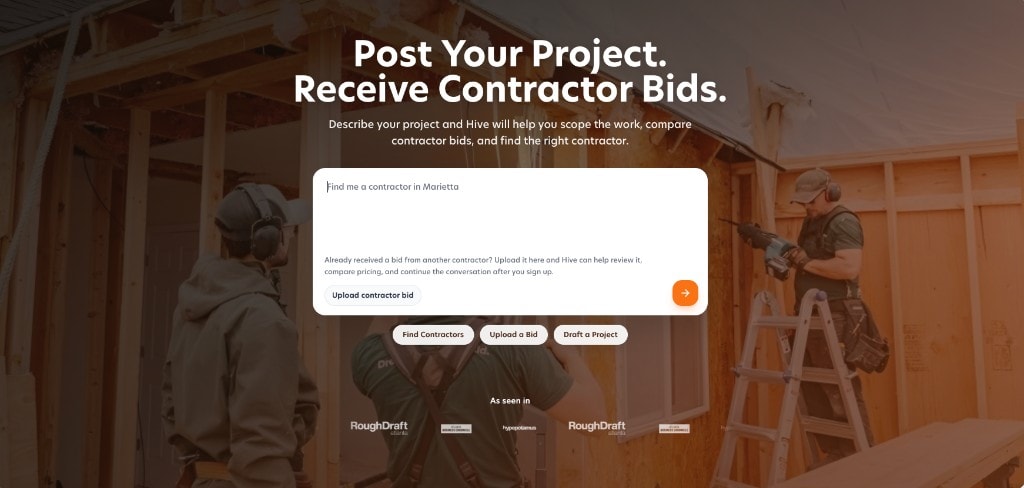
Hive began with a problem hidden inside nearly every renovation: finding the right contractor is messy. As Co-Founder and CTO, I worked across product strategy, interface design, development, and the broader business model, turning an early idea into a product used on real projects.
Product
The problem / context
What I was solving
Property investors regularly manage bids, referrals, licenses, messages, photographs, timelines, and contractor relationships across disconnected systems. Even after finding someone, the workflow stays fragmented. The challenge was not simply creating another contractor directory. The challenge was designing trust.
My role
How I worked
My responsibilities included helping define product strategy, developing major user workflows, designing investor and contractor experiences, building the front end, contributing to full-stack development, structuring project posting and bidding, refining responsive interfaces, and incorporating feedback from investors and contractors. I was thinking simultaneously as founder, designer, and engineer.
Title
- Co-Founder
- CTO
Process flow
How it moves
- 01Property investor
- 02Post project
- 03Contractors discover opportunity
- 04Submit bids
- 05Investor compares options
- 06Communication
- 07Select contractor
- 08Manage project
- 09Complete project
The system
What it includes
Investor experience
- Create project
- Upload project information
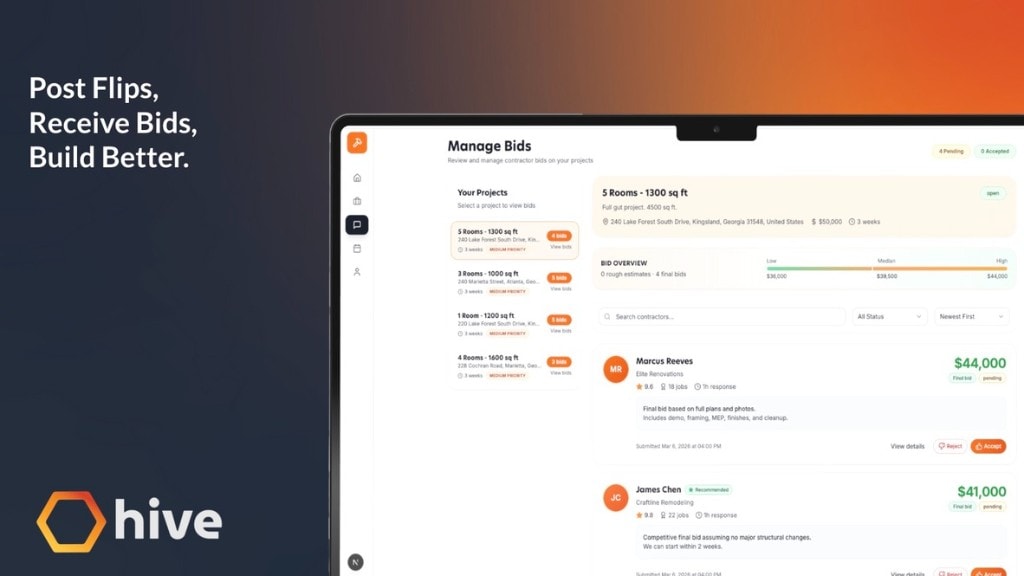
- Compare contractor bids
- Browse contractor profiles
- Communicate
- Monitor renovation progress
Contractor experience
- Discover projects
- Submit bids
- Manage profile
- Display credentials
- Communicate with investors
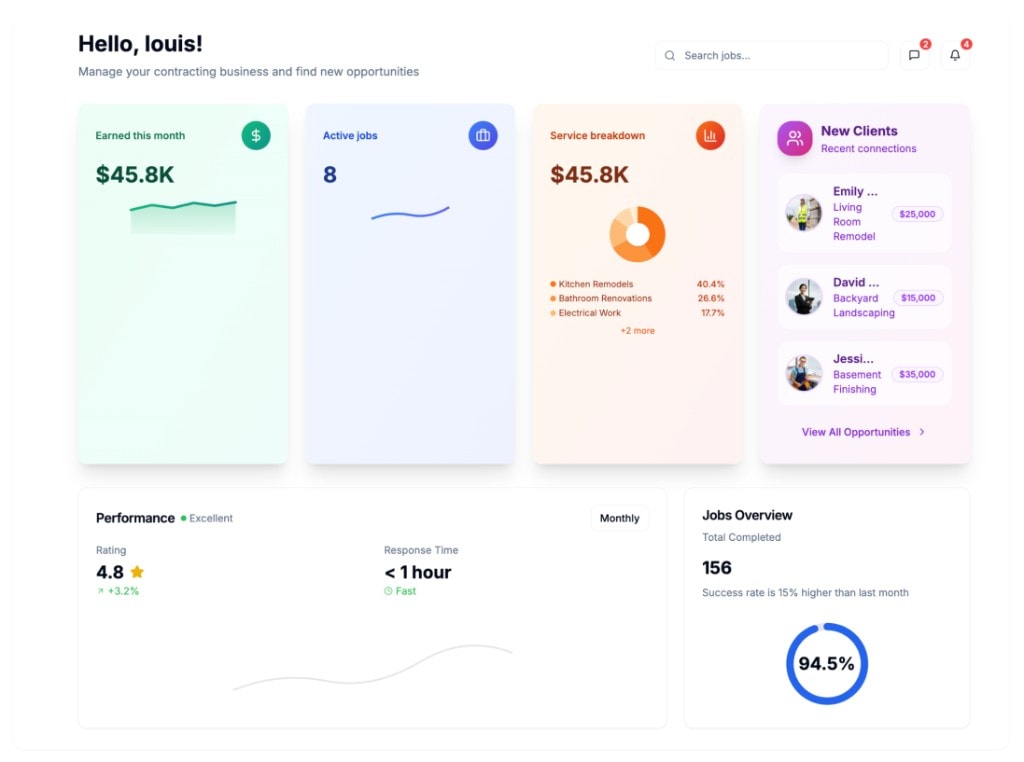
- Manage project activity
Trust & project tools
- License and insurance information
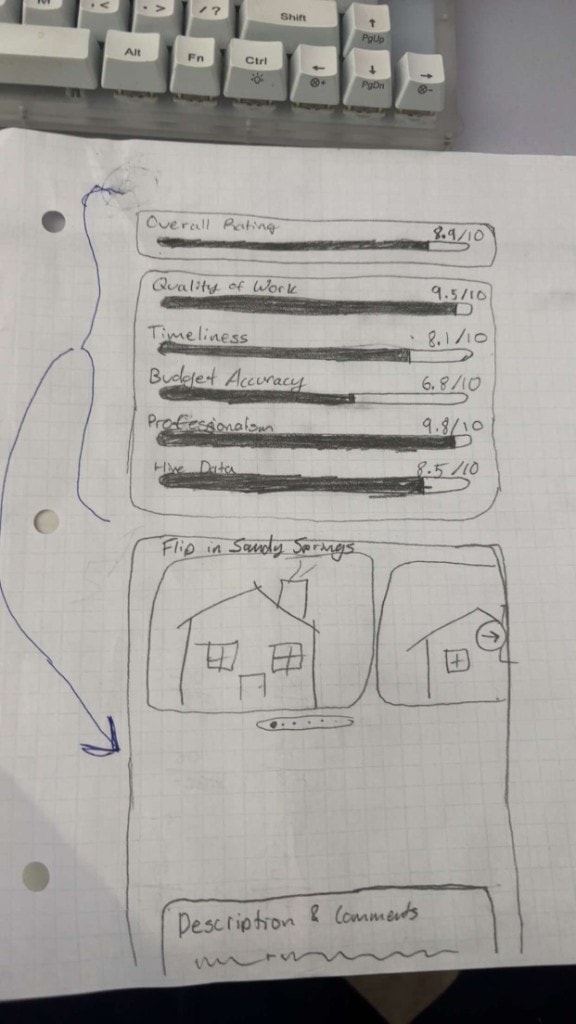
- Profiles, ratings, and project history
- Verification concepts
- Messages, photographs, and progress tracking
The process
Thinking, versions, evidence
- 01EARLY SKETCH
Early idea
Notebook sketches, feature lists, product brainstorms, and early platform diagrams. The first question was not what the product should look like. It was what information creates confidence between strangers.
- 02STRUCTURE
Information architecture
Investor side: Projects, Bids, Contractors, Messages. Contractor side: Opportunities, Bids, Profile, Projects, Messages. Splitting the product by role kept each workflow clear.
- 03WHAT CHANGED
V1 → current
Early screens were too dense. Iteration focused on reducing friction in posting, bidding, and comparison, keeping only what helped both sides decide.
- 04CURRENT PRODUCT
UI system
Buttons, property cards, contractor cards, badges, statuses, bid comparison, navigation, and messaging, designed as one system rather than isolated screens.
Early thinking
Identity
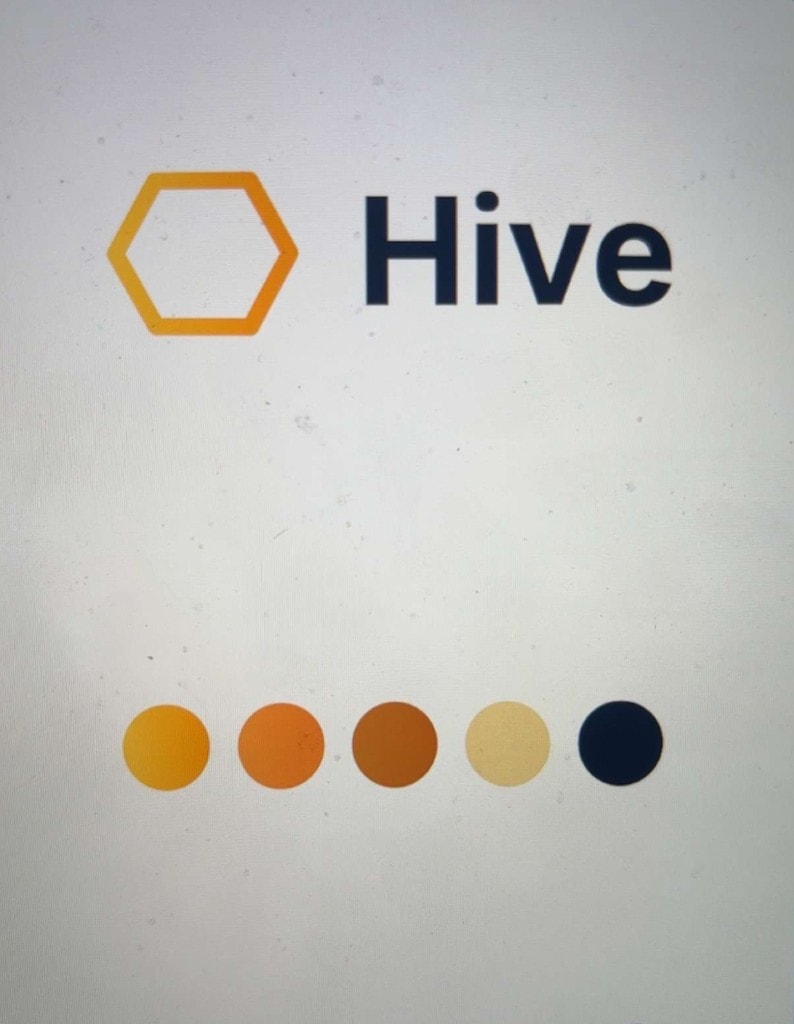
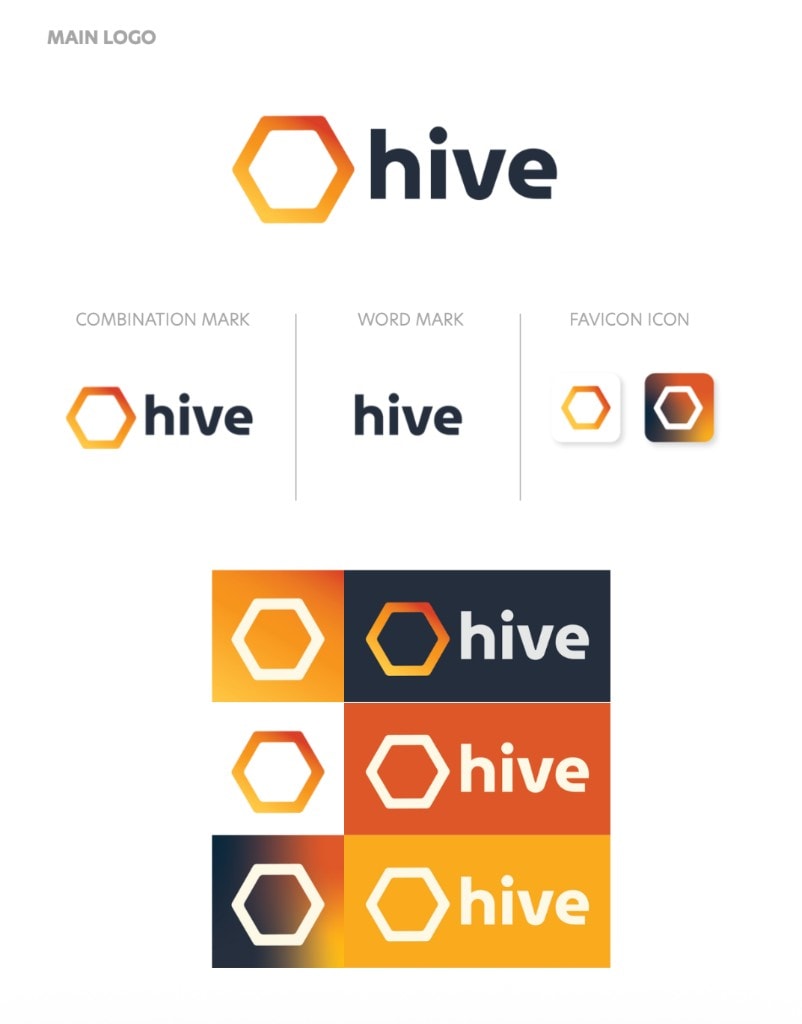
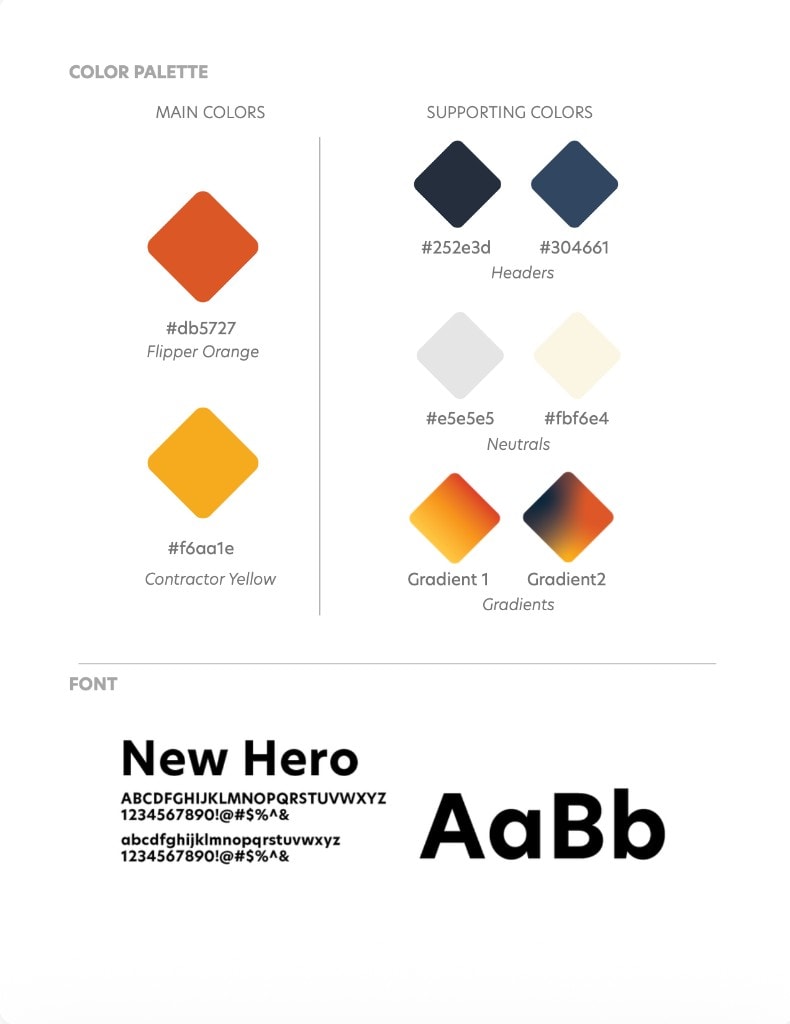
- V1 was too complicated. Tried to show everything at once.
- Trust first: licensing and credentials had to be visible before polish.
- Feedback loops: investors and contractors changed the roadmap more than my assumptions.
Real-world evidence
What actually happened
$120K+
Early project GMV
150
Early users
2nd / 140
Georgia Tech Startup Exchange Summit
5+
Media features
REAL-WORLD TEST
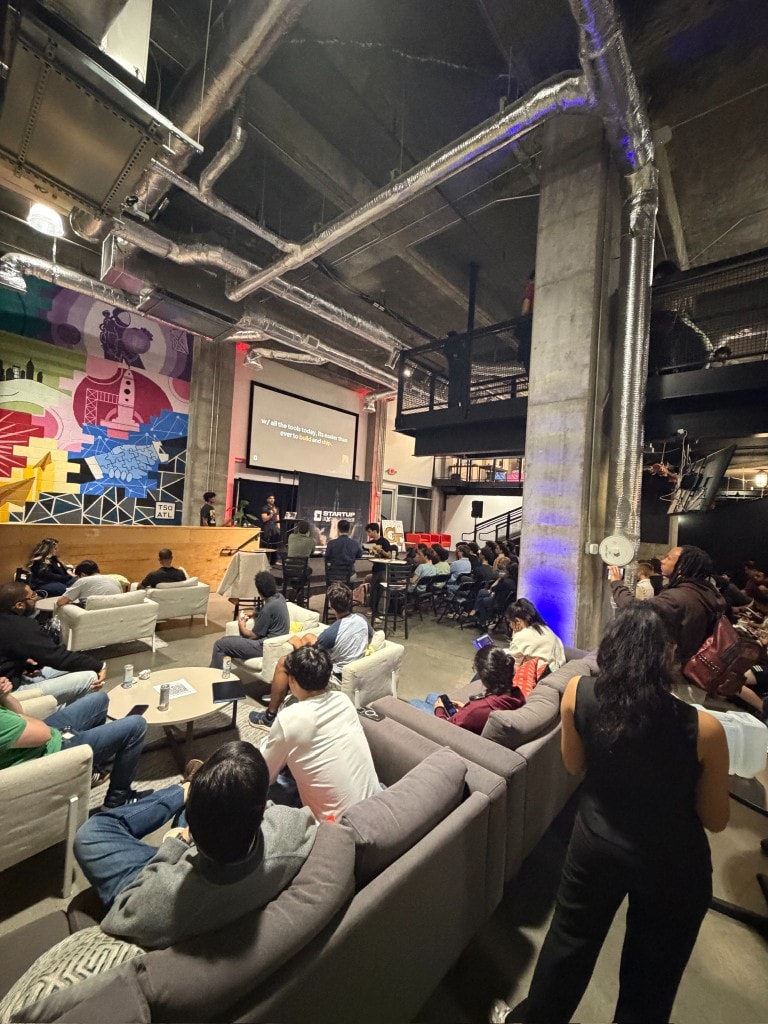
Georgia Tech Startup Exchange Summit
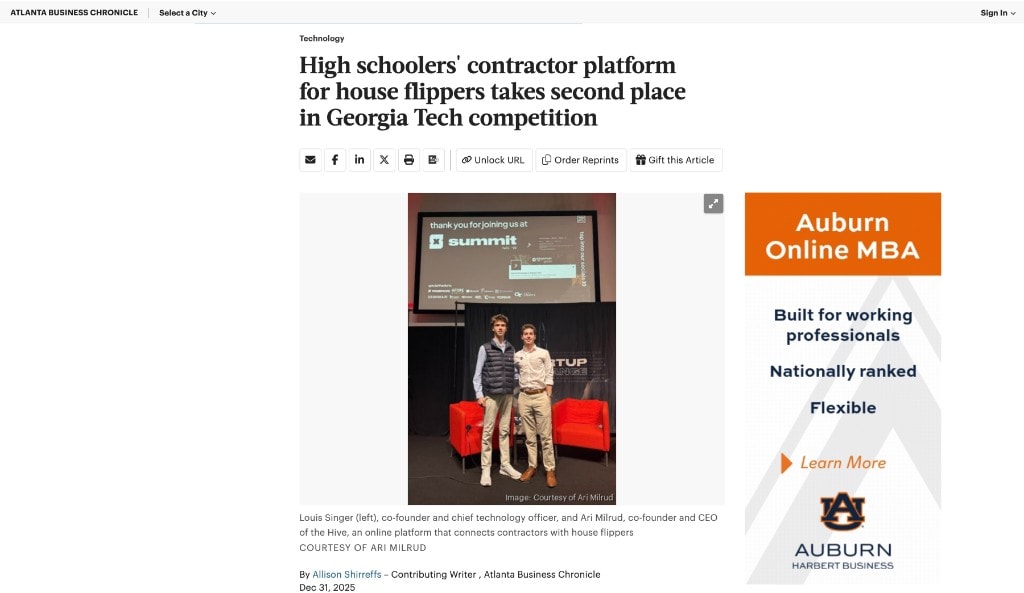
Hive competed against approximately 140 teams and placed second. Hive was the only high-school team in the competition and received a Microsoft-sponsored monetary prize.
- Pitch and presentation materials
- Competition photographs and stage moments
- Award recognition
Press
Coverage
- Atlanta Business Chronicle
- Hypepotamus
- Rough Draft Atlanta
- Atlanta Jewish Times
- Atlanta Business Radio
- Simply Buckhead
Outcome
Where it landed
Hive became a launched product used on real renovation projects, with early marketplace activity, users, competition recognition, and press coverage. The work continues to evolve through real-world feedback.
Reflection
“Building Hive changed the way I think about design. A beautiful interface means very little if the system behind it does not solve the right problem. The most important decisions were often not visual. They were deciding what information mattered, what created trust, and what could be removed.”